Should you cut nightshades to help psoriasis? Maybe — about half of people report improvement after limiting them, but the other half do not, so it is worth testing rather than assuming. Nightshades are the trigger most people with psoriasis hear about first, and the response is personal — which is exactly why it is worth testing on your own skin.
This article explains what nightshades are, why they are blamed, what research shows, and exactly how to find out if they affect you.
What are nightshades?
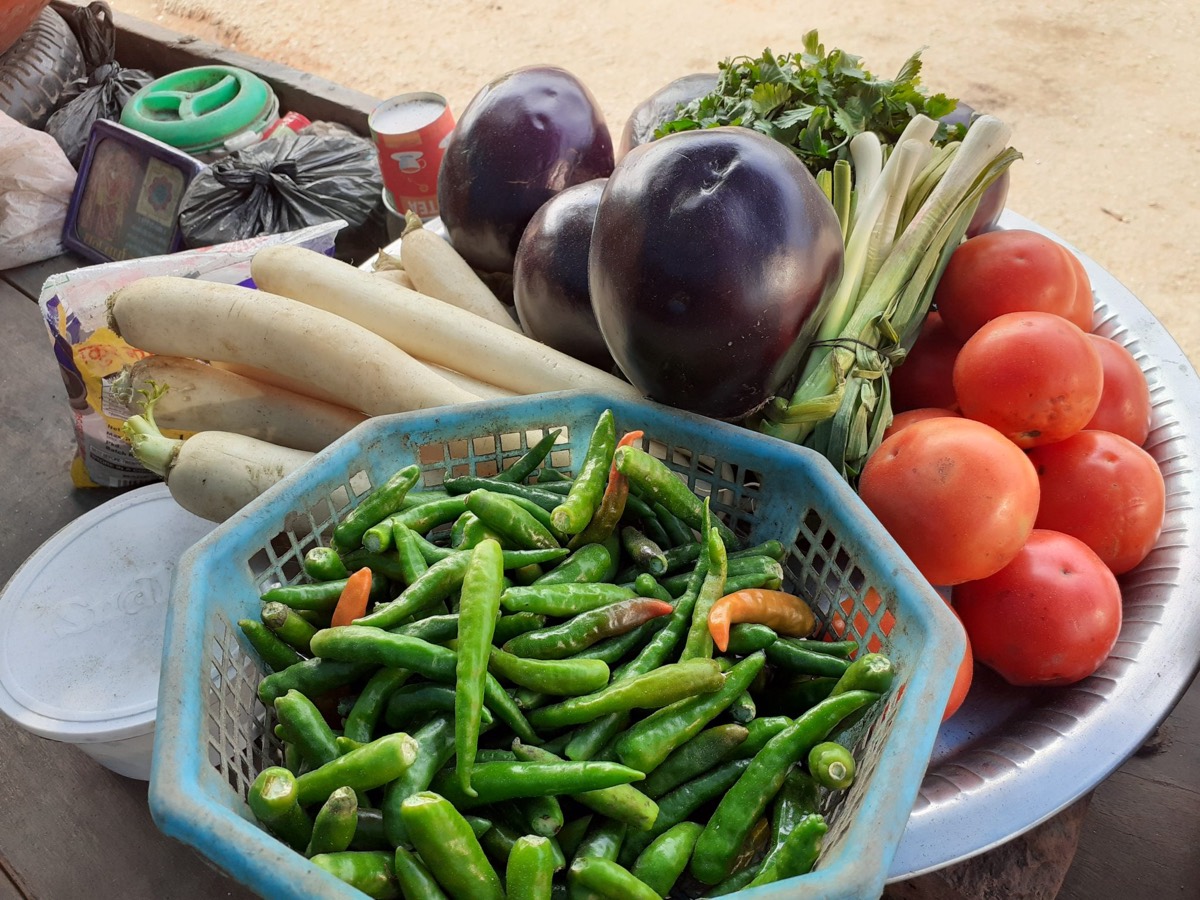
Nightshades are a family of plants that includes tomatoes, potatoes (not sweet potatoes), peppers, eggplant and some spices. They are easy to miss because they hide inside sauces, seasonings and packaged foods.
Common nightshades to watch for:
- Tomatoes (including ketchup, passata, sauces)
- White and red potatoes
- Peppers — bell, chilli, and paprika/cayenne as spices
- Eggplant (aubergine)
- Goji berries and ashwagandha
Why are nightshades linked to psoriasis?
Nightshades contain alkaloids such as solanine, which some people believe contribute to inflammation and joint discomfort. This is the mechanism behind the Pagano protocol, which places nightshades firmly in the "avoid" column — see the Pagano diet guide for the full food map.
It is a theory, not settled science. Many people eat nightshades with no skin reaction at all, which is exactly why a blanket ban makes little sense.
What does the evidence say?
Nightshades are not a universal cause, but they are one of the most commonly reported triggers. In one survey of more than 1,200 people with psoriasis, about 52% reported reduced symptoms after limiting them — so for many people they matter, while others notice nothing. That is exactly why it is worth testing on your own skin.
That uncertainty is the whole reason to test rather than guess. Removing foods you do not actually react to just makes your diet harder for no benefit.
How to test if nightshades affect you
Run a simple elimination-and-reintroduction test. Remove all nightshades for 3–4 weeks, let your skin settle, then reintroduce one — say tomatoes — and watch your skin over the next several days. Repeat for each nightshade. Track as you go, because memory will not reliably connect a flare to a meal three days earlier.
This is exactly what MySkinly is for: log each meal by colour, note your skin daily, and the pattern between nightshades and flares becomes visible across weeks. For the broader approach, see how to find your psoriasis triggers.
FAQ
Are potatoes nightshades?
White and red potatoes are nightshades; sweet potatoes are not. If you are running an elimination test, swap regular potatoes for sweet potato, buckwheat or rice so you still have easy sides.
Is it proven that nightshades worsen psoriasis?
No. There is no clinical proof they cause or worsen psoriasis, though surveys show many people report improvement after cutting them. The evidence-based move is to test your own response.
How long should I avoid nightshades before deciding?
Give it 3–4 weeks of full removal so your skin can settle, then reintroduce one nightshade at a time while tracking. Judging after a few days is too soon to see a real pattern.