
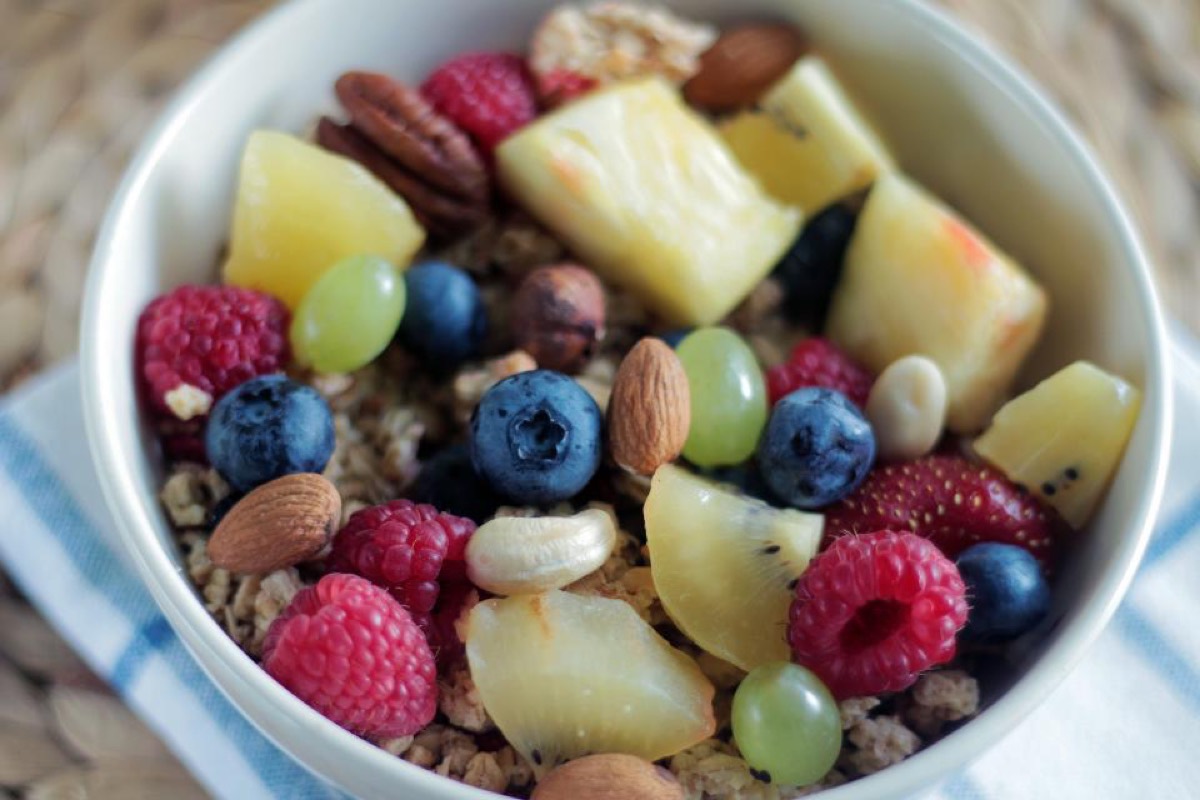
Does diet help psoriasis? For many people it makes a real difference. Psoriasis is driven by inflammation, and what you eat is one of the few levers you control every single day. An anti-inflammatory way of eating costs nothing extra, won't harm you, and for a lot of people it is the change that finally calms their skin. Here is how it works — and how to make it work for you.
This is the practical version — what tends to actually help, drawn from real-world experience and the research behind it.
How food affects psoriasis
A few changes have the strongest track record. No single one is a magic bullet, but together they build a foundation that helps your skin and the rest of your body:
- Losing excess weight, if you carry it. This is strongly linked to milder psoriasis and better response to treatment.
- An anti-inflammatory / Mediterranean pattern. Plenty of vegetables, oily fish and olive oil — consistently associated with calmer, less severe skin.
- Cutting back on alcohol. Alcohol is tied to more flares and a poorer response to treatment, so less of it usually helps.
- Going gluten-free if you are gluten-sensitive or coeliac. If that is you, it can make a real difference; if not, test it rather than cutting it blindly.
Why your triggers are personal
Psoriasis has many inputs — stress, sleep, weather, medication and food. That is why the foods that calm one person's skin can differ from the ones that matter for you. This is not a reason to skip diet; it is the reason to find your own pattern. The anti-inflammatory base helps almost everyone, and from there you test what your own skin responds to.
The way to do that is simple: make a structured change and measure your skin's response over weeks instead of guessing from a single day. See how to find your psoriasis triggers for the method, and the complete psoriasis diet guide for where to start.
Diet also pairs well with whatever treatment you and your dermatologist choose — the two support each other, and eating well never works against your care.
FAQ
Does diet help psoriasis?
For many people, yes. An anti-inflammatory diet, losing excess weight if you carry it, and less alcohol are the changes most often linked to calmer skin. It works best alongside your medical care, not instead of it.
What diet works best for psoriasis?
The Mediterranean / anti-inflammatory pattern, combined with weight loss if you are overweight, has the most behind it. It is low-risk, good for your whole body, and a sensible place to start before you fine-tune around your own triggers.
Is it worth trying diet changes at all?
Yes — an anti-inflammatory diet is safe and, for many people, genuinely helps. Track your skin over 4–8 weeks so you can see whether it is working for you, and keep your doctor in the loop.